
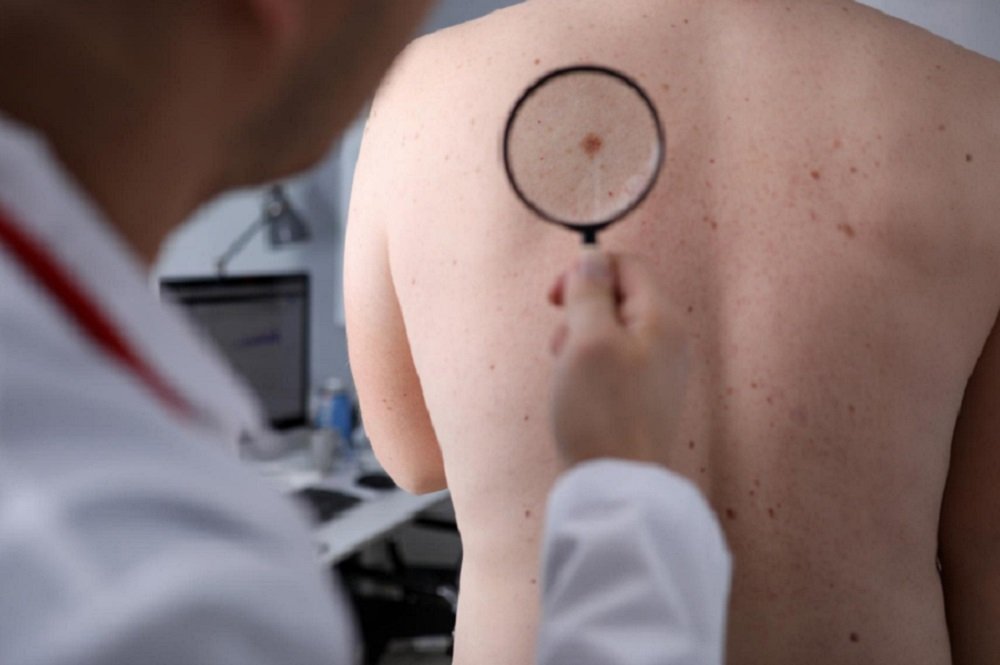
Your skin is the largest organ of your body, and taking care of it is essential for maintaining overall health. Regular skin checks can help identify unusual changes, detect potential skin conditions early, and support timely medical care. From changing moles to persistent rashes, paying attention to your skin can make a significant difference in identifying problems before they become more serious.
Dr Shaun Segal, an experienced dermatologist based in Kingswood, New South Wales, has a long-standing commitment to providing personalized dermatological care. Understanding the importance of skin health and knowing when to seek professional advice can help you take better care of your skin throughout your life.
What Are Regular Skin Checks?
Regular skin checks involve examining your skin for changes in moles, freckles, spots, pigmentation, texture, or other unusual marks. These checks can be performed at home and, when appropriate, by a qualified healthcare professional.
The primary purpose of a skin check is to identify changes that may require further assessment. Although many skin changes are harmless, some can indicate skin cancer or other dermatological conditions that need medical attention.
In Australia, skin checks are particularly important because of the country’s high levels of ultraviolet (UV) radiation and the associated risk of skin cancer. Early recognition of suspicious changes can help people seek medical evaluation sooner.
Why Are Regular Skin Checks Important?
1. Early Detection of Skin Cancer
One of the most important reasons to perform regular skin checks is to identify possible signs of skin cancer. Australia has a high incidence of skin cancer, making awareness and prevention essential components of skin health.
Skin cancer can appear as a new spot, a changing mole, a sore that does not heal, or a lesion that looks different from the surrounding skin. Some skin cancers develop gradually, while others may change more quickly.
Regular skin examinations can help you notice these warning signs and seek professional assessment. Early detection may allow treatment before the condition progresses, although outcomes depend on the type and stage of cancer.
2. Monitoring Changes in Moles and Freckles
Moles and freckles are common, and most are harmless. However, changes in their appearance should not be ignored.
Look for moles or spots that change in size, shape, or colour. Pay attention to irregular borders, multiple colours, bleeding, itching, or a lesion that looks noticeably different from your other spots.
The ABCDE guide can help you recognize potential warning signs:
- A – Asymmetry: One half looks different from the other.
- B – Border: The edges are irregular or poorly defined.
- C – Colour: The spot has uneven or multiple colours.
- D – Diameter: The spot is larger than approximately 6 mm, although melanomas can be smaller.
- E – Evolving: The spot changes in appearance, size, shape, or sensation.
These signs do not confirm skin cancer, but they indicate when medical assessment may be necessary.
3. Identifying Other Skin Conditions
Skin checks are not limited to detecting skin cancer. They can also help identify conditions such as eczema, psoriasis, rosacea, dermatitis, and certain skin infections.
Persistent redness, itching, scaling, swelling, or unexplained rashes may require professional evaluation, especially when symptoms interfere with daily activities or do not improve with basic skin care.
A dermatologist can assess the affected area, consider possible causes, and recommend appropriate investigations or treatment when necessary.
4. Understanding Your Skin’s Health
Regular monitoring helps you become familiar with your skin’s normal appearance. This makes it easier to recognize unusual changes and communicate them clearly during a medical appointment.
People with numerous moles, a history of skin cancer, significant sun exposure, or a family history of melanoma may benefit from an individualized skin-monitoring plan.
When Should You See a Dermatologist?
Knowing when to seek professional advice is an important part of maintaining healthy skin. Consider arranging a dermatological assessment if you notice any of the following signs.
A New or Changing Mole
A new spot or a mole that changes in size, shape, colour, or texture should be assessed, particularly if the change is persistent or unusual for you.
A Sore That Does Not Heal
A sore that repeatedly crusts, bleeds, or fails to heal may require medical evaluation. Do not assume that a persistent skin lesion is harmless simply because it causes little discomfort.
Persistent Itching or Skin Irritation
Ongoing itching, redness, inflammation, or unexplained rashes can have several causes. A dermatologist can help determine whether the symptoms are related to an inflammatory condition, an allergy, an infection, or another skin problem.
Unusual Pigmentation or Dark Spots
Changes in skin pigmentation may result from sun exposure, hormonal changes, inflammation, or other causes. However, a newly appearing or changing dark spot should be assessed if it looks unusual or continues to evolve.
A Personal or Family History of Skin Cancer
People who have previously had skin cancer or have a close family history of melanoma may require more frequent professional examinations. The appropriate frequency depends on individual risk factors and medical history.
If a spot is changing rapidly, bleeding spontaneously, or otherwise appears suspicious, seek medical advice promptly rather than waiting for your next routine appointment.
How Often Should You Have a Skin Check?
There is no single schedule that is suitable for everyone. The frequency of professional skin examinations depends on factors such as age, skin type, previous sun exposure, personal and family medical history, and the number and appearance of moles.
Some people may need regular examinations at intervals recommended by their healthcare professional, while others may require assessment when a concerning change appears.
Between appointments, consider checking your skin every few months. Examine areas that are easy to overlook, including your scalp, back, soles of your feet, and the skin between your toes. Use a mirror or ask someone you trust to help examine areas that are difficult to see.
Do not rely on scheduled checks alone if you notice a suspicious change.
Tips for Maintaining Healthy Skin
In addition to regular skin monitoring, a few practical habits can help reduce UV-related skin damage:
- Apply broad-spectrum SPF 50 or SPF 50+ sunscreen according to the product instructions.
- Reapply sunscreen at recommended intervals, particularly after swimming, sweating, or towel-drying.
- Wear protective clothing, a broad-brimmed hat, and sunglasses.
- Seek shade when UV levels are high.
- Avoid tanning beds and deliberate tanning.
- Become familiar with your skin and keep track of unusual changes.
These habits can help protect your skin, but sunscreen and other protective measures do not eliminate the need to monitor suspicious spots.
Conclusion
Regular skin checks are an important part of maintaining long-term skin health, particularly in Australia, where UV exposure contributes to a substantial skin cancer burden. Recognizing changing moles, persistent sores, unusual pigmentation, and unexplained skin irritation can help you seek appropriate medical advice at the right time.
Dr. Shaun Segal, based in Kingswood, New South Wales, has extensive experience in dermatology and a patient-centred approach to skin care. If you notice a concerning skin change or have questions about your individual risk, seek advice from a qualified healthcare professional to determine whether a dermatological assessment is appropriate.
Taking a proactive approach to skin health today can help you make informed decisions about protecting your skin in the years ahead